
Recently I went to a talk about treatment for psychiatric patients before the 1950's in Western Australia. It served as a reminder of how far we have come in treating the mentally ill, but also how far we have to go.
Prior to the 1950's most treatments for schizophrenia were rather crude, such as using lobotomies i.e. cutting away part of the brain, inducing daily comas and using electroshock therapy. Treatments even went as far as infecting patients with malaria. Whilst these treatments may seem barbaric it is important to recognise that these were done with the intention to help.
Whilst mental health treatments have been improved since then by a variety of drug-therapies, in mental health research we have reached a stage where treatments have once again reached a plateau in effectiveness. As a result many pharmaceutical companies are starting to pull out of this field of research as it is no longer profitable.
It is however quite possible than in a few decades time the current regimen of treatments, which include sleep deprivation, trial and error drug prescription, electroshock therapy (it is still used) and drugs that have sometimes serious side effects may be viewed as similarly barbaric as how we perceive treatment in the first half of the 20th century.
In general, I believe we often have a view that we are better people today than any generation past. This may be because we think we do not war, are more humane, ethical and moderate. But the truth is the same way we view the past will be done unto us. All we can do is what we think is best at the time.
The equaliser between the generations is the intention that we have in our actions, no matter how poor the outcome. Many medications and treatments in the past were not ideal, some weren't even beneficial, but the attempts were often still in the spirit of caring and love, they were performed with faith.
Romans 8 verse 1 tells us that "Therefore, there is now no condemnation for those who are in Christ Jesus".
I sincerely hope and pray that someday my medical research will lead to improvements in mental healthcare. Yet even if I fail, I know that I am right with God because I have tried to do what I believe is right and I have demonstrated faith in God.
As a Christian I intend not to commit any sin. Every day I try earnestly not to lie, cheat, steal, murder or covet. Yet while every day I fail in not sinning in some way, I am every day forgiven by God. But the day that I stop trying, the day that I sin without remorse or regret, is the day I am no longer righteous before God. When we look into the past it is not right for us to judge those before us for their ignorance. But we should praise those who we emboldened by the faith, love and grace of God.
My aim is to endeavour to have pure intentions with the guidance of God. No matter what my / your actions, if I / you intend to honour and love God with my / your actions I / you can fully receive the grace of God that is offered to 'all' who have repented. As Romans 5 verses 1-2 says, we are justified through faith, and by this faith we have access to the grace of God.
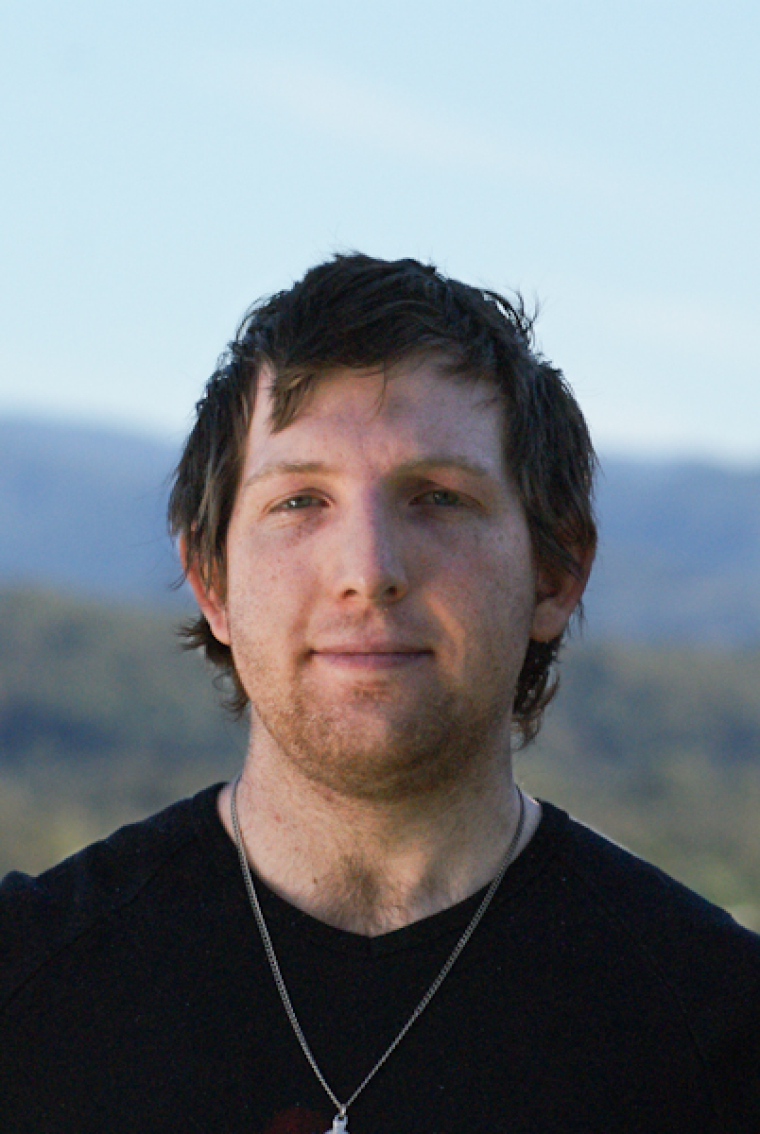
Nathanael Yates from Perth, Western Australia, is an award winning young scientist completing a PhD in the neurobiology of schizophrenia
Nathanael Yates' previous articles may be viewed at: www.pressserviceinternational.org/nathanael-yates.html