
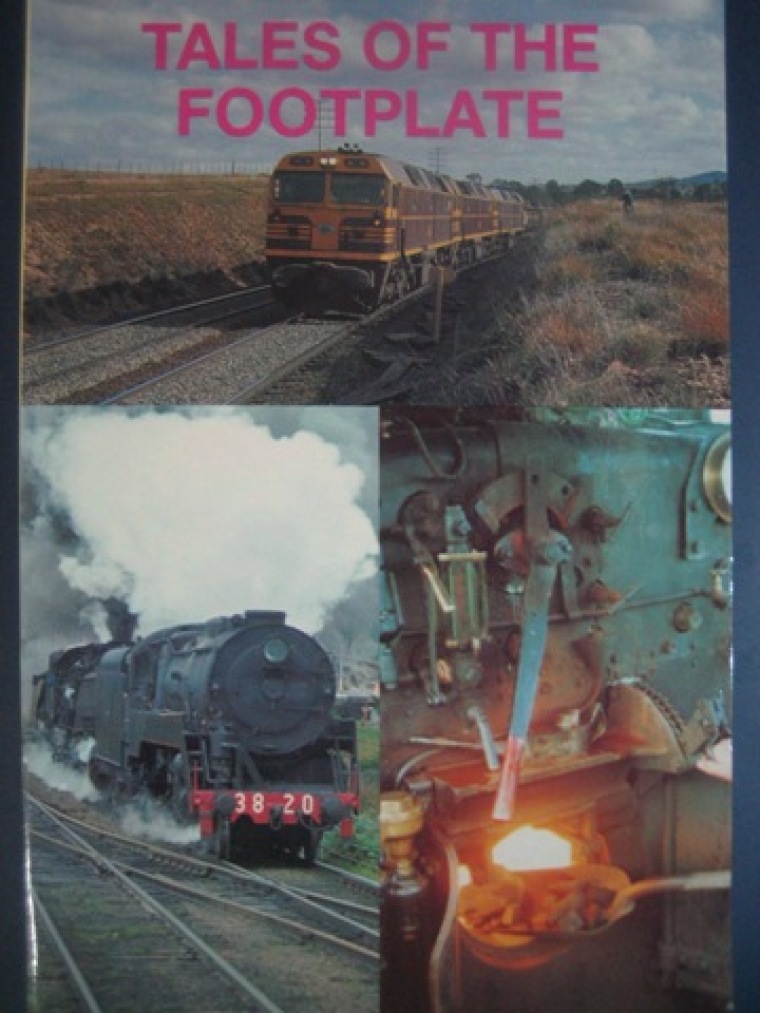
|PIC1|The year was 1969 in the southern highlands rural city of Goulburn, where M V Tronson had successfully completed the Acting Fireman's School and was in the process of being given practical tuition by a locomotive inspector.
In the 'Footplate Padre' October article, M V Tronson takes the reader through the various tasks that a locomotive crew is required to undertake to ensure a steam locomotive is fully prepared to haul a train. Preparing a steam engine to work a train on the main line is like building a house; the foundations are the critical components.
There are numerous tasks a fireman needs to do, such as going under the locomotive in the steam pit within the weather protected Roundhouse, so as to oil the plugs. These 'plugs' are corks that retain the oil within the heavy wheels and motions and without this 'good oil' the steam engine would struggle.
There was also a fire to light and then a fire to build so as to get the heat for the steam to drive the locomotive. These tasks take time and skill, and to build a good fire demands a certain panache; a deft understanding of the type of coal available, where to place the initial fire, and other fiddly preliminaries to getting the fire burning well.
Mark Tronson then describes filling the water tender and, finally, the run down from the Goulburn Roundhouse to the South Shunting Yard where the freight train was waiting for the engine to be attached.
These were the necessary preliminaries which took an inordinate amount of time before the steam engine's wheels took one turn in hauling a train. But this was when the fireman's skill became evident and the instruction of the locomotive inspector became crucial.
Every young would-be-fireman needed to learn the ropes on to how to fire a steam locomotive, particularly on the main line, where the heaving movements of the locomotive swaying from side to side caused the tender to move in the opposite direction.
Herein lies one of the astonishing techniques in firing a steam locomotive: the fireman places one foot on the footplate of the engine, and the other foot on the footplate of the tender, and the firing is done left handed. In this article, M V Tronson describes why the fireman was required to fire a New South Wales Government Railways steam locomotive 'left handed'. Certainly he says his field hockey skills came in handy in the wrist work involved with the coal shovel.
It is to the fire that M V Tronson turns, in making his Footplate Padre message to his readers, in that trust is an essential ingredient in firing a steam locomotive. He speaks of the friendship of David and Jonathan in the Old Testament and how they went through the fire together and how that can apply to our lives.