
Drug trafficking is the largest criminal industry in the world, with the trafficking of humans tying second with the illegal arms industry.' (U.S State Department of Health and Human Services in 2011)
Recently I watched the documentary, 'Nefarious: Merchant of Souls',where my thinking on prostitution and sex slavery has been shaken and challenged. Not the fact that it does occur or is illegal, or that abuse and drugs are involved, or even that children are victims of this industry. But more my ignorance on the depth and level of abuse and pure terror in all areas of prostitution, sex work and sex trafficking.
Nefarious: Merchant of Souls exposes the disturbing trends in modern day sex slavery. The first scene of the documentary is a re-enactment of the nightmare of inauguration and 'breaking' into sex slavery that thousands of girls experience every day. The abuse and evil darkness they are forced to endure is just heartbreaking. And for the girls, it is soul destroying. They are broken beyond emotional numbness, fed illicit drugs and psychologically shattered.
After they are stripped of passports and any other identity, they are sold and trafficked often to developed and affluent countries to work and be confined. The highest destination countries are: Belgium, Germany, Greece, Israel, Italy, Japan, Netherlands, Thailand, Turkey and USA. (thefreedomproject.org)
The sex industry is not a new model for us to think about, but perhaps, like me, you have been aware and concerned about the industry, possibly overwhelmed and paralysed - unaware of how to play a part in the solution. I had an incorrect view of some workers in the sex industry, believing that they wanted to be there and that they made healthy-minded liberated choices to do whatever job they desire.
What little girl dreams of this?
What little girl dreams of selling her body to many men every night, fear encapsulated within each day and the constant threat of violence?
In a press release interview, the Director of Nefarious, Benjamin Nolot was asked what his most shocking discovery about sex slavery was while producing and directing the documentary. He answered, "Before we began this project, I believe my attitude toward the abolition of trafficking was far too idealistic. But, as we began to travel, I was faced with the reality of entire cultures––religious, social and governmental––feeding the sex slavery industry. Seeing the trafficking problem from this vantage point was extremely difficult."
This documentary stirred deep within my soul. Part of me wants to believe that no human being could carry out this horrific abuse on another. The reality is quite the opposite. The draw card of money, drugs and power is destroying lives. And it's not just a small number of people.
The documentary gives a voice to many prostituted and trafficked women from many different countries. The opening story focuses on Moldova. 10% of the Eastern European country's population have been trafficked across their borders. After the fall of Communism in 1991 a severe economic crisis forced many of the adults of Moldova to leave the country to find work, leaving children to fend for themselves. Many orphanages were established at that time, where corruption ran rampant and often became the picking ground for traffickers.
Nefarious Director Benjamin Nolot says, "One predominant fact began to stand out to us. Peril is a basic fact of prostitution". A recurring story from each of the prostitutes and sex workers interviewed was the fear and twisted co-dependency on their pimps.
I am still processing my response. Educating people on the depth of the issue is important, and rescuing the girls and providing rehabilitation is imperative, but it goes deeper. Sadly, the demand is vast.
"You may choose to look the other way, but you can never again say 'I did not know.'" - William Wilberforce.
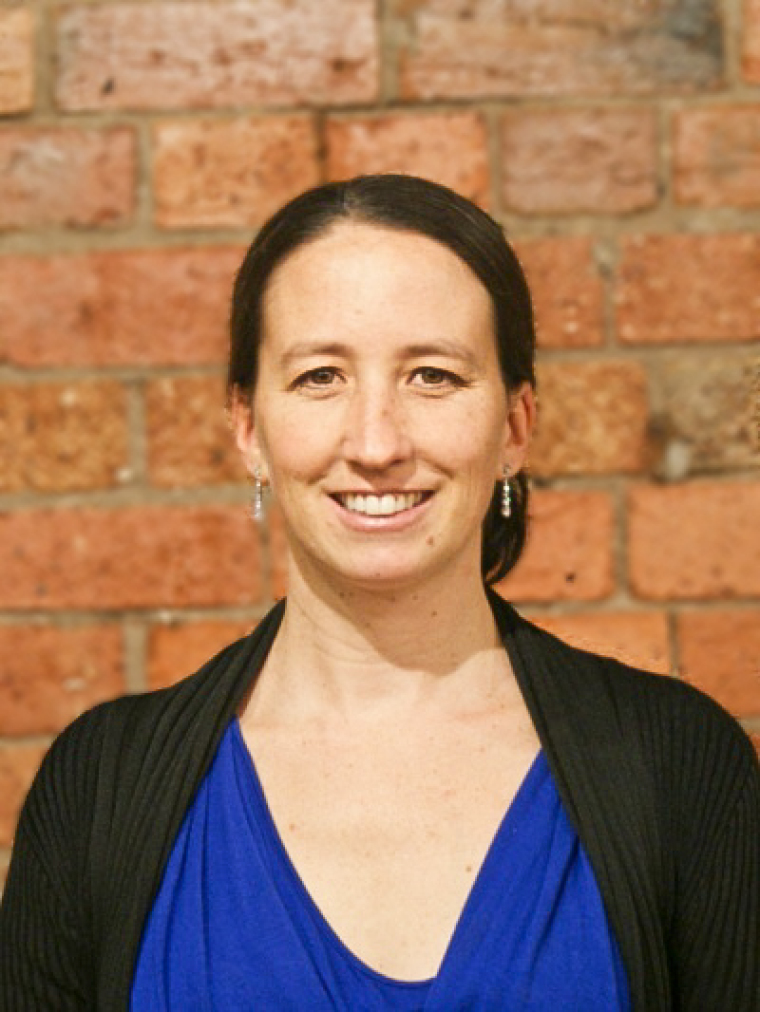
Belinda Croft has been writing for Press Service International since 2010. She lives in Melbourne with her husband Russell and their two sons. Her passion for understanding the things of God in simple ways, social justice and news issues influence her writing style.
Belinda Croft's previous articles may be viewed at www.pressserviceinternational.org/belinda-croft.html