
This was initially highlighted some years ago now when some solicitors in criminal law were found to be psychologically affected by their work. It was found that these particular lawyers became more stressed and depressed than their legal colleagues in commercial law or in academia.
http://www.smh.com.au/news/national/victims-suffering-spills-into-lawyers-lives/2007/12/23/1198344885821.html
It was noted that lawyers who specialise in dealing with victims of violent crime are necessarily exposed repeatedly to reports of traumatic material, experiencing the horror vicariously through their dealings with the primary victims.
A major issue is that this 'vicarious traumatisation' can result in something similar to secondary post-traumatic stress disorder if it is not recognised or resolved.
At that time the New South Wales Director of Public Prosecutions, Nicholas Cowdery QC, who stated that a no-cost counselling service is available as recognition of the long term 'extremely confronting' nature of what lawyers deal with. He encourages lawyers to debrief, and use the service.
Two years on and not much has happened. Business as usual. And this has also been the case for many Ministers of Religion who seem to think that they can somehow escape the rigours of the mental and physical exhaustion that accompanies pastoral responsibility.
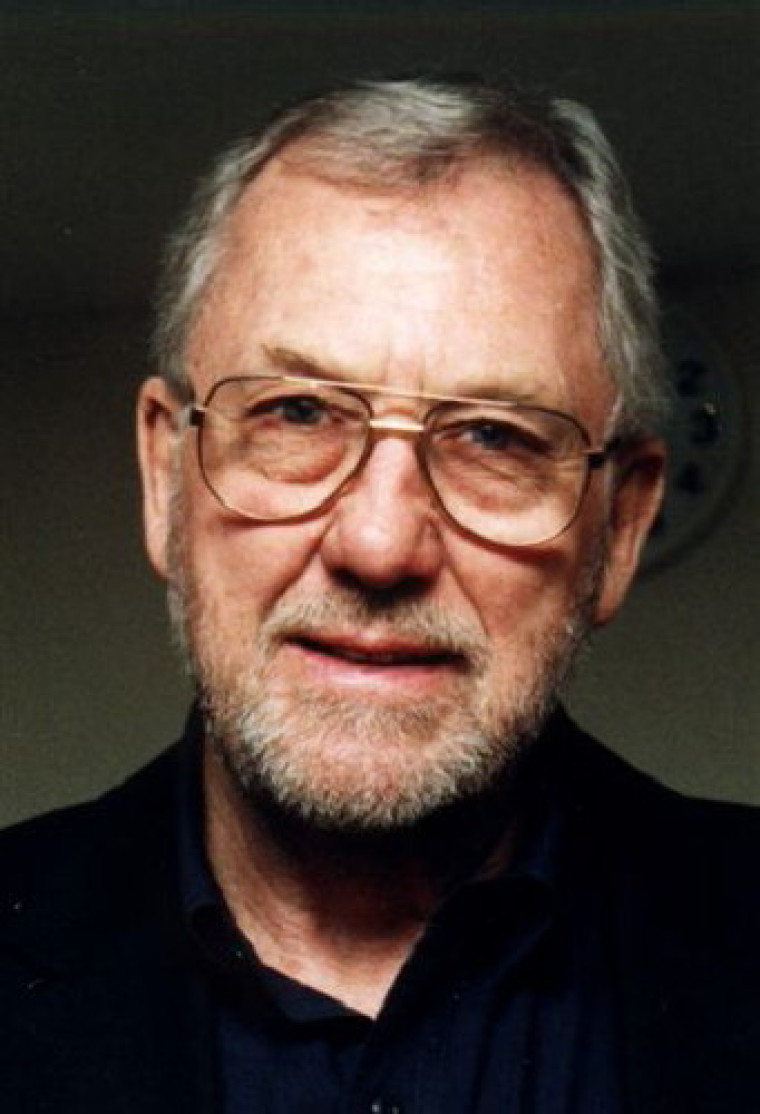
Certainly the Reverend Dr Rowland Croucher of John Mark Ministries has specialised in counselling those in Christian ministry for 20 years with 22,000 hours of clinical counselling under his belt.
He told M V Tronson:
"Clergy, like lawyers, can be called upon to deal with stressful situations. But since ministers don't have 'office hours', theoretically they are available all day, every day. They need to recognise that they need another counsellor / mentor / spiritual director to walk with them on their journey; that someone needs to 'care for the carers'.
"Such a skilled companion can help to diagnose any unfinished business in the minister's past that may be interfering with the ability to help people. The professionals refer to these issues as 'transference' and 'counter-transference', and it can occur when the client/parishioner's agenda touches sensitive areas of the pastor's life.
"It is particularly in these cases where the ministers can benefit from counselling, to enable their own healing processes to continue. This can then help them to go on with their life's work in helping their own parishioners.
"And then, of course, as Christians, we clergy affirm that we have a 'spiritual shadow side'," Dr Croucher explained. "This is summarized in the classical list of Seven Deadly Sins. Therefore, part of the professional 'care' for these Christian 'carers' also includes a habitual confessional discipline."
For further comment from Reverend Dr Rowland Croucher
rccroucher@optusnet.com.au