
There is a lot I have to be grateful for, but the health of my family is tops for me.
Our family has been blessed with very few injuries and illnesses. Health issues have never limited our travels and I am truly grateful we have been able to experience a wonderful level of well being.
Up to now, I have never experienced much of any health system. However, at 37 weeks pregnant, that has changed. I have visited doctors, and been subjected to blood tests and various scans. It has made me consider how different this second pregnancy has been compared to my first one in 2007, when I gave birth to my son in France.
As a migrant from outside the Commonwealth, I was not granted Medicare on arrival in Australia. We were told my husband Paul, as a British citizen, would be looked after but, since I came from France, it was a different story.
My son and I were required to take on private health care with Medibank to cover our medical costs. When we were eventually granted our four-year business Visa, this aspect changed: we then became eligible for Medicare. However, we still kept a policy with Medibankâ€"which turns out to be extremely useful.
Privatised health care is a very unusual concept for a French national. The Social French State offers excellent infrastructure in this regard. It is a system which carries a huge deficit but it was also a great topic of debate during the last presidential election.
Is a state welfare still viable? Is there an automatic right to access to medical care? How do the rest of the world's democracies treat their patients? Which 'turn' is state health policy likely to take in Australia?
Around 40% of the Australian population are covered by private health funds. There are just under 40 registered health insurers in Australia. In fact, the access to a private hospital seems to be covered by most policies after a membership of just over 2 months; however, for cover for maternity delivery, usually 12 months membership is required.
When I started looking into the history of the Sécurité Sociale in France, I came across some of its key aspects: its core value as an institution is devoted to ensuring the comfort of the beneficiary. The calculation of its benefits is based on your status: Are you married? How much is your gross yearly income?
Everyone is required to contribute towards it but scales are established: 7.5% of all paid activities, 6.2% of unemployed pensioner's income, 6.6% of state retirement pensions; 8.2% of the revenue from financial investment; 9.5% of gambling industry income.
When a person is not liable for tax, they are exempted from making the contribution.
The system is of financial assistance in many different situations. These range from support for cancer sufferers to home help for the youngest member of a family. When a life–threatening condition is discovered, there is no such thing as a waiting list to undergo surgery. Full payment of all expenses will be covered.
The development of the insurance industry in the twentieth century encouraged the French government to consider a Contribution Sociale Généralisée, a tax to drastically improve the organisation of a system serving a powerful Social State.
Behind a million dollar institution in France, politicians are grinning. In Australia, it seems patients are left behind as they now have to invest part of their income in the protection of their health.
God always drives us toward helping each other, towards feeling compassion and rejoicing when relationships flourish. Even if a social state presents us with its grinning faces, all is not necessarily well. There remains issues such as money laundering within, after all, wealth generated by a generalised tax still provides a gigantic budget to finance public hospitals.
"(…)Do not forget the helpless (…) but you oh God, do see trouble and grief; you consider it to take hand. The victim commits himself to you, you are the helper of the fatherless." Psalm 10 / 12 - 14 NIV
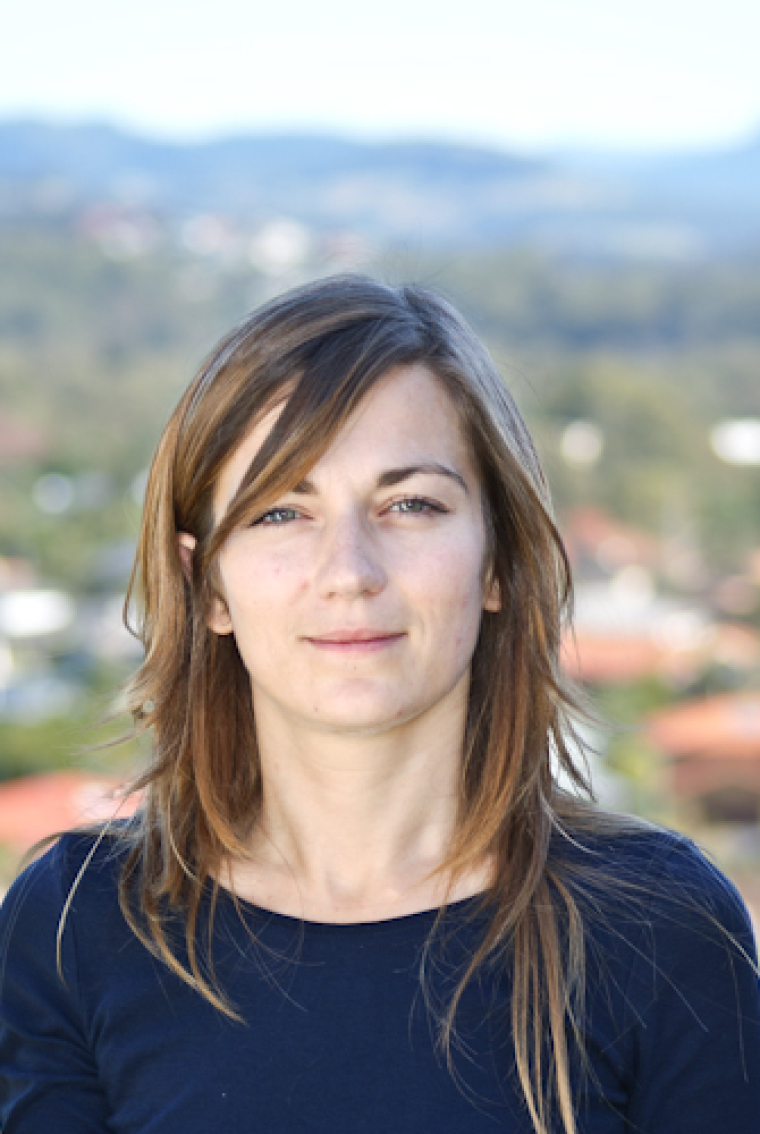
Julia Baber is French who has migrated to Australia with her English husband. Julia created "The means to the way", a non-profit body that promotes French- Australian business and cultural relations around the world.
Julia Baber's archive of articles may be viewed at www.pressserviceinternational.org/julia-baber.html