
With partner organisations Anglican Youthworks, The Salvation Army, Scripture Union Australia, and the Lutheran Church of Australia, Bible Society SA has commissioned Philip Hughes (Christian Research Australia) to research a number of critical issues regarding youth culture and Bible engagement in Australia.
So who is reading the Bible?
Amongst Australian young people (aged 13-24) about 70 per cent never read the Bible.
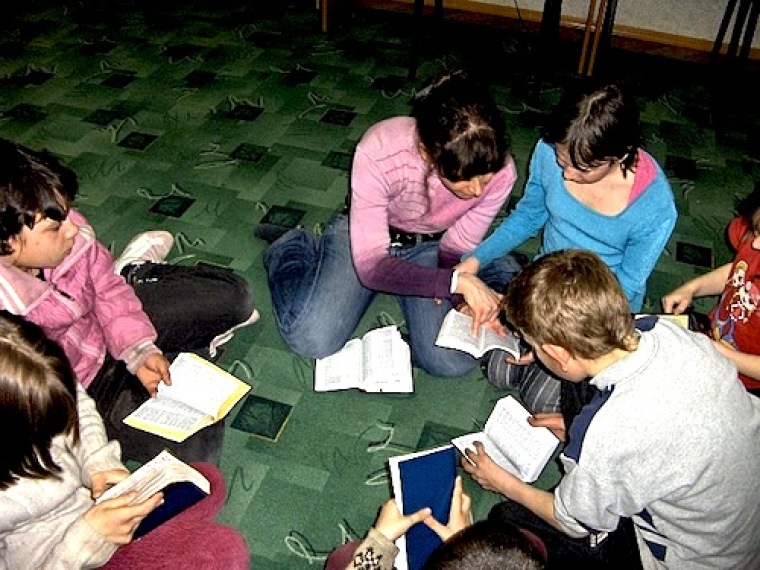
Of those youth who read the Bible daily or weekly, most do so in the context of community. They read and interact with the Bible as a part of a small group, generally with their peers and a leader or mentor.
Those who read it frequently are mostly involved in Protestant Evangelical or Charismatic denominations, such as the Pentecostals, Baptists, Lutherans, Presbyterians, and Seventh-day Adventists.
Attitudes to Reading the Bible
Most of those who read the Bible frequently have made a personal commitment to God, and expect God to give definite answers to their prayers and specific guidance for their life. They are reading the Bible as a means of communication, expecting God to speak to them through the Bible.
There are many young people who turn to the Bible when life is not going well, and look for comfort and hope within the text when they are 'hurting deep inside'.
For the majority of young Australians however, the Bible is simply 'not on their radar'. It is not something they think about. Many of these young people feel the stories in the Bible are 'unbelievable'.
They are not sure that God exists, let alone the likelihood that God acts within their world. Therefore they find the Bible difficult to understand, and sometimes contradictory.
So most young people experience the Bible as not able to engage with the questions of life that are important to them.
What are the barriers to reading the Bible?
When asked about barriers to reading the Bible, there are three key issues that emerge.
Young people have questions about the meaning of the text that remain unanswered; they would like more involvement and group discussion to express their own thoughts and hear other opinions; and young people respond more positively when the emphasis is on topics which affect their lives and contemporary society.
So where to from here?
In the next stage of the research focus group interviews will be conducted with young people across the country - in every state, in both city and country areas, and covering most major denomination.
One of the aims of this new research is to explore what young people think the purpose of the Bible is. Are they approaching it as a book of history, a book of morals, a source of personal encouragement, a set of narratives to shape a worldview, or the record of salvation history?
The research will also reveal what resources, youth events, media and practises are effective in engaging youth with the Bible, and the ways youth leaders and denominations are supporting - or not supporting - youth Bible engagement.
For more information on this research as it is undertaken, or a full copy of the stage 1 research, please contact Adrian Blenkinsop at Bible Society SA, at ablenkinsop@bible.com.au.