
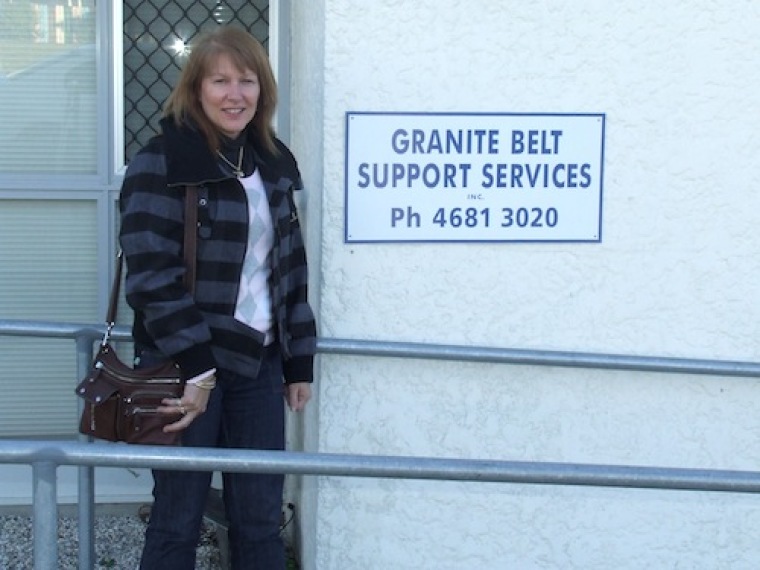
During regular visits to regional Queensland centres she has been exposed to many examples of inadequate services and the inequality experienced by locals. "We have two classes of Australians. Those in the cities enjoy top quality and convenient health services and those in regional and rural centres find it hard to get even basic services," she said.
It is common for those in smaller towns to drive hours to visit a doctor while expectant mothers need to travel to give birth because only a few centres west of Toowoomba have maternity facilities.
Francis said the town of Killarney has no medical centre despite applying for funding for three years. "While the federal government wasted $600,000 on two local schools earmarked for closure, the people of Killarney can't see a local doctor." Francis cited the example of a local girl with a severed hand having to wait 45 minutes for an ambulance.
In Stanthorpe, Granite Belt Support Services have been refused funding from the federal government while government money is splashed on projects like embalming the Labor Party tree at Barcaldine.
"This is Australia, not a third-world country and it is unacceptable that those who choose to live outside of the cities are second class citizens," Francis said. She committed to fight for regional and rural Queenslanders if elected to the senate.
"It's time for the voices of the people to be heard in Canberra. While the senate is dominated by the two major parties and the radical Greens, we will continue to have two classes of Australians," she said. Francis said she is running for the senate to "bring balance to the balance of power."